
What Are Fresh Ricotta Gnocchi (And How Do You Make Them)?
Fresh ricotta gnocchi are soft, pillowy Italian dumplings made with ricotta cheese instead of potatoes — and they come together in about 20 minutes with just a handful of ingredients.
Here’s the quick version if you’re short on time:
- Drain whole milk ricotta to remove excess moisture
- Mix with egg, Parmesan, salt, and flour until a soft dough forms
- Roll and cut the dough into bite-sized pieces
- Boil in salted water until they float (about 30–60 seconds) — done!
That’s genuinely it. No boiling potatoes. No peeling. No special equipment.
Ricotta gnocchi are lighter and fluffier than traditional potato gnocchi, and most home cooks find them far easier to pull off on a weeknight. One 15-ounce container of ricotta makes around 3–4 generous servings, and the whole process takes under 20 minutes from start to finish.
Whether you’re pairing them with brown butter and sage, a simple tomato sauce, or just a drizzle of olive oil and Parmesan — this is the kind of meal that feels impressive without being stressful.

Why fresh ricotta gnocchi is the Ultimate 20-Minute Meal
If you have ever spent an afternoon boiling, peeling, and ricing potatoes only to end up with gummy, dense gnocchi, you know the struggle. Traditional potato gnocchi are a labor of love that often goes wrong. Enter fresh ricotta gnocchi. We consider these the “fast food” of the Italian world because they skip the hardest steps of the traditional process while delivering a texture that is arguably superior.
While potato gnocchi are starchy and filling, ricotta-based dumplings are airy and cloud-like. They are often compared to gnudi, which are essentially “naked” ravioli fillings. However, while gnudi use very little flour and can be quite fragile, our fresh ricotta gnocchi recipe uses just enough flour to create a stable, easy-to-handle dough that holds its shape beautifully.
| Feature | Potato Gnocchi | Fresh Ricotta Gnocchi |
|---|---|---|
| Main Base | Boiled Potatoes | Whole Milk Ricotta |
| Prep Time | 60–90 Minutes | 15–20 Minutes |
| Texture | Starchy & Chewy | Pillowy & Light |
| Difficulty | Advanced | Beginner-Friendly |
| Equipment | Potato Ricer Required | No Special Tools |
For those of us balancing busy schedules, the time-saving element cannot be overstated. You can go from a sealed container of cheese to a steaming plate of pasta in the time it takes for a delivery driver to find your house. It is the ultimate kitchen hack for impressive weeknight entertaining or a comforting solo dinner.
The Simple 3-Ingredient Foundation
The beauty of this dish lies in its minimalism. While we often think of Italian cooking as complex, fresh ricotta gnocchi rely on just three primary pillars: ricotta, Parmesan cheese, and flour. To bind them, we usually add a large egg or egg yolks, and a pinch of salt to bring out the flavors.
- Whole Milk Ricotta: This is the soul of the dish. We always recommend full-fat, whole milk versions. Skim or “light” ricotta often contains stabilizers and excess water that can make your dough soupy and lead to gnocchi that disintegrate in the pot.
- Parmesan Cheese: Use freshly grated Parmigiano-Reggiano if possible. The pre-shredded stuff in green cans or plastic tubs is often coated in cellulose (an anti-caking agent) which prevents it from melting smoothly into the dough.
- All-Purpose Flour: This provides the structure. While some pros prefer specialized Italian flours, standard all-purpose flour works perfectly for a soft, tender bite.
If you are looking for more ways to incorporate fresh ingredients into your diet, check out our guide on healthy and nutritious vegetarian recipes. Adding a pinch of freshly grated nutmeg to this dough is a classic Italian secret—it doesn’t make the pasta taste like dessert; instead, it adds a subtle, warming aroma that complements the creamy cheese.
Choosing Ingredients for fresh ricotta gnocchi
To take your gnocchi from “good” to “restaurant-quality,” ingredient selection is key.
- The Flour: While all-purpose is great, “00” flour is the gold standard for pasta. It is finely milled and results in an even silkier texture.
- The Cheese: If you want a sharper bite, we sometimes swap a portion of the Parmesan for Pecorino Romano.
- The Ricotta Texture: Look for “basket” ricotta or “extra dry” varieties. If your ricotta looks like creamy yogurt, it has too much moisture.
Pantry Staples List:
- Kosher salt (for the dough and the boiling water)
- Black pepper
- Fresh nutmeg (optional)
- Semolina flour (optional, for dusting the tray to prevent sticking)
Mastering the Dough and Shape
The most common mistake beginners make is adding too much flour. We want to use just enough to make the dough manageable. If you over-flour or over-knead, you’ll end up with “sinkers” instead of “floaters”—dense, gummy balls that sit heavy in the stomach.
The secret to success is draining the ricotta. Even if the cheese looks dry, it likely holds hidden moisture. We recommend the paper towel method: spread the ricotta onto a plate lined with several layers of paper towels, place more towels on top, and press gently. For the best results, let it sit for at least 15 minutes. Some chefs even drain it in a fine-mesh sieve overnight in the fridge.
When mixing, use a light hand. Stir the ricotta, eggs, and cheese together first, then fold in the flour gradually. Stop as soon as a “raggedy” dough forms. It should be slightly sticky to the touch. If it’s too wet to handle, add flour one tablespoon at a time.
Step-by-Step Guide to Making fresh ricotta gnocchi
Once your dough is ready, the shaping process is quite therapeutic. You don’t need a culinary degree—just a clean counter and a little bit of flour.
- Roll the Ropes: Divide your dough into four parts. On a floured surface, roll each piece into a long “snake” or rope about 1/2-inch to 3/4-inch thick.
- Cut the Pillows: Using a bench scraper or a simple butter knife, cut the ropes into bite-sized pieces (about 1 inch long).
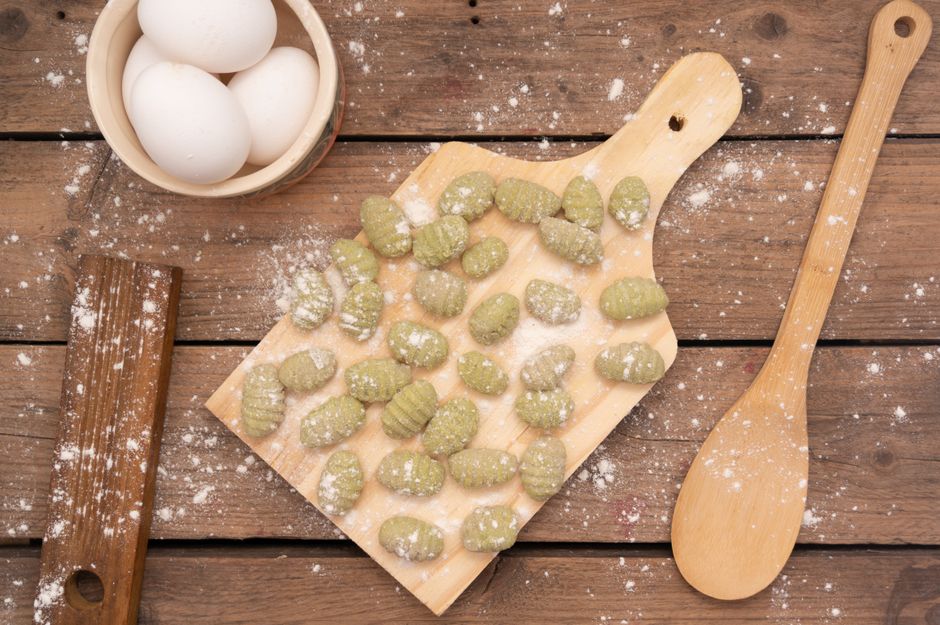
- Add Ridges (Optional): You can leave them as plain “pillows,” or you can roll them over a gnocchi board or the tines of a fork. These ridges aren’t just for looks; they help the sauce “cling” to the pasta.
- Dust with Flour: As you cut them, toss the gnocchi lightly in a bit of extra flour or semolina to ensure they don’t fuse back together.
Shaping Tools You Can Use:
- Gnocchi Board: Creates professional, deep ridges.
- Fork: The classic “grandma” method.
- Box Grater: Use the small holes for a unique pebbled texture.
- Thumb: Just press a small indentation into the center of each piece.
Cooking and Serving Suggestions
Cooking fresh ricotta gnocchi is a high-speed event. Unlike dried pasta which takes 10 minutes, these little clouds are done in about 60 seconds.
Bring a large pot of water to a rolling boil and salt it generously—it should “taste like the sea.” Drop the gnocchi in batches to avoid crowding. Watch closely: they will sink at first, and then suddenly pop to the surface. Once they float, let them bob for an additional 30 seconds to ensure the center is cooked through, then remove them with a slotted spoon.
When it comes to sauce, less is often more. You don’t want to drown the delicate flavor of the ricotta. A classic choice is making the perfect basil tomato sauce which provides a bright acidity to cut through the richness of the cheese.
For a more decadent finish, try brown butter and sage. Melt butter in a skillet until it starts to foam and turn golden brown with a nutty aroma. Throw in fresh sage leaves until they are crisp, then toss the cooked gnocchi directly into the pan. If you want extra texture, you can pan-fry the boiled gnocchi in bacon butter for 2-3 minutes until the edges are crispy and golden. For more inspiration, explore our easy-vegetarian-pasta-recipes.
Storage and Freezing Tips
One of the best things about this recipe is that it scales perfectly. We often make a double batch because fresh ricotta gnocchi freeze exceptionally well. In fact, many people find they hold their shape even better when cooked straight from the freezer.
To freeze, place the uncooked gnocchi in a single layer on a parchment-lined baking sheet. Make sure they aren’t touching, or they will freeze into one giant lump. Place the tray in the freezer for about 1-2 hours (this is called “flash freezing”). Once they are hard as rocks, transfer them to a freezer bag. They will stay fresh for up to 3 months.
When you are ready for one of those quick vegetarian meal ideas in half an hour, simply drop the frozen gnocchi directly into boiling water. Do not thaw them first, or they will turn into a sticky mess. Just add an extra minute to the boiling time, and they’ll be perfect.
Frequently Asked Questions about Ricotta Gnocchi
Why are my gnocchi falling apart in the water?
This usually happens for two reasons: too much moisture in the ricotta or not enough binding (flour/egg). If your first “test gnocchi” falls apart, fold a little more flour into the remaining dough. Also, ensure your water is at a gentle boil; a violent, roaring boil can physically break the delicate dumplings apart.
Can I make this recipe gluten-free?
Yes! Many home cooks have had success using a high-quality 1:1 gluten-free flour blend. Look for a blend that includes xanthan gum, which helps provide the “stretch” and binding power that gluten usually provides.
What is the best way to drain ricotta quickly?
If you don’t have hours to wait, the “sandwich” method is best. Place the ricotta between thick layers of paper towels and weigh it down with a heavy plate or a canned good for 10-15 minutes. You’ll be surprised how much water the towels soak up!
Conclusion
At Veiculos Express, we believe that great food shouldn’t require a whole day in the kitchen. Mastering fresh ricotta gnocchi is a gateway to homemade pasta pride. It’s a forgiving, versatile, and deeply satisfying recipe that turns a few humble ingredients into a five-star meal. Whether you are cooking for a fussy family or hosting a dinner party, these pillowy dumplings are guaranteed to be a success.
Ready to expand your meatless repertoire? Explore more vegetarian recipes on our site and discover how simple, fresh ingredients can transform your weekly menu. Happy cooking!
