
Why Vegetarian Pasta Sauces Belong in Every Home Cook’s Rotation
Vegetarian pasta sauces are one of the easiest ways to get a delicious, satisfying meal on the table fast — no meat required.
Quick answer: The best vegetarian pasta sauces for every occasion:
- Classic Marinara — Simple tomato, garlic, and basil. Ready in 20 minutes.
- Pesto — Blended herbs, nuts, and olive oil. No cooking needed.
- Arrabbiata — Spicy tomato sauce with chili. Bold and quick.
- Mushroom Ragu — Rich, meaty texture without any meat.
- Cashew Cream / Alfredo — Creamy and dairy-free.
- Hidden Veggie Tomato Sauce — Blended vegetables in a smooth tomato base. Great for picky eaters.
- Roasted Red Pepper Sauce — Sweet, smoky, and vegan-friendly.
- Vodka Sauce — Tangy tomato balanced with cream for a silky finish.
Pasta is one of the most versatile staples in any kitchen. Change the sauce, and you have a completely different dish. That’s the real magic here.
Whether you have 15 minutes or a lazy Sunday afternoon, there’s a vegetarian pasta sauce that fits. Many can be made in under 30 minutes, frozen in batches, and adapted for almost any dietary need — dairy-free, gluten-free, nut-free, or vegan.
The hardest part? Choosing which one to make first.

Popular Vegetarian Pasta Sauces and Their Key Ingredients
When we think of the gold standard for vegetarian pasta sauces, we often start with the classics. Achieving restaurant-quality flavor at home doesn’t require a culinary degree; it requires high-quality ingredients and a little bit of patience.
For many of us, a slow-simmered red sauce is the ultimate comfort food. The secret to the best marinara sauce often lies in the quality of the tomatoes. Many experts recommend using San Marzano tomatoes because they are naturally sweeter and less acidic than other varieties. When paired with fresh basil, pungent garlic, and a generous swirl of extra virgin olive oil, these simple components transform into a vibrant, aromatic sauce.
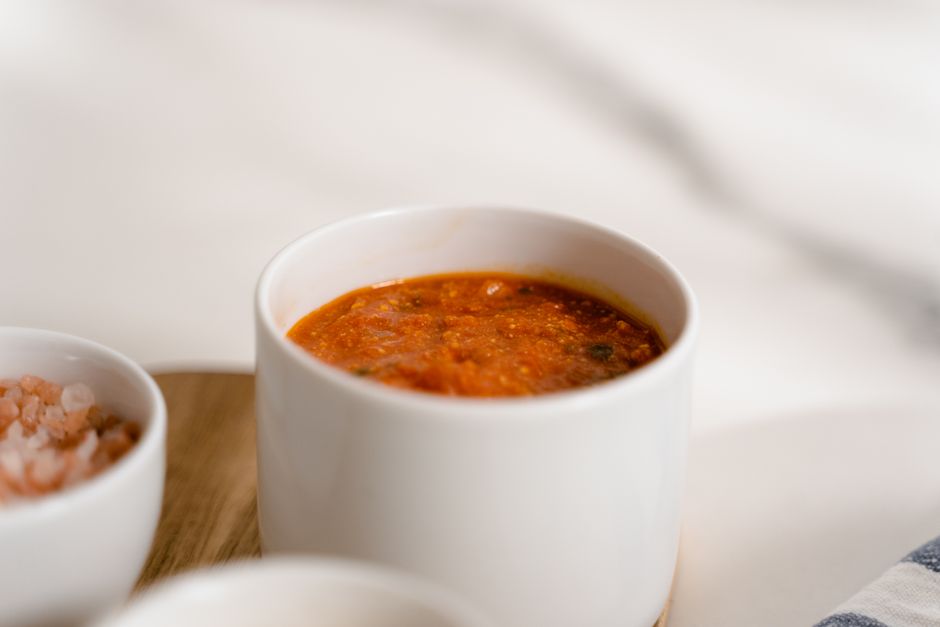
If you are looking for something heartier, a Mushroom Ragu is a fantastic meatless alternative. By slow-cooking cremini or porcini mushrooms, you develop a deep “umami” flavor that mimics the richness of a traditional meat sauce. For those prioritizing nutrition, a Lentil Bolognese is an excellent choice. Lentils provide a “meaty” texture and are packed with fiber, making them a staple in many high-protein vegetarian recipes.
Classic Red and Mushroom-Based Vegetarian Pasta Sauces
Beyond the basic marinara, there are several regional Italian variations that every home cook should know:
- Arrabbiata: This is the “angry” sauce, characterized by a spicy kick from dried red chili flakes or Calabrian chilis. It’s a bold choice that pairs beautifully with penne.
- Vegetarian Spaghetti Sauce: Unlike a simple marinara, a full-bodied spaghetti sauce often includes diced peppers, onions, and mushrooms. Some recipes even suggest adding a splash of red wine or a dash of balsamic vinegar to deepen the flavor profile over a 3-hour simmer.
- Mushroom and Herb: Using a mix of fresh and dried mushrooms (like porcini) creates a complex earthiness. Adding a bit of the mushroom soaking water back into the sauce ensures no flavor is wasted.
Creamy and Dairy-Free Vegetarian Pasta Sauces
You don’t need heavy cream to achieve a silky, indulgent texture. While a traditional Alfredo sauce is a crowd favorite (boasting over 4,700 positive ratings in some recipe communities), there are many innovative ways to make creamy vegan pasta sauces.
One popular method involves using a cashew cream base. By blending soaked cashews with water, nutritional yeast (for a cheesy flavor), and garlic, you create a rich sauce that is entirely dairy-free. Another clever hack is using a cauliflower base. Steamed cauliflower blended with vegetable broth creates a low-calorie, velvety sauce that feels much heavier than it actually is.
For a vibrant twist, we love a Creamy Vegan Red Pepper Pasta. This dish uses roasted red peppers and cashews to create a glowing orange sauce that pairs perfectly with blistered cherry tomatoes and fresh chives.
Quick Methods and Hidden Veggie Hacks for Home Cooks
In a busy household, we don’t always have two hours to let a sauce simmer. This is where quick vegetarian meal ideas come to the rescue.
The 30-Minute Revolution
Many vegetarian pasta sauces can be whipped up in the time it takes to boil the pasta water. One-pot methods are particularly popular because they minimize cleanup. You can toss your pasta, water, aromatics, and veggies into a single pan and let the starch from the pasta thicken the sauce naturally.
Sheet-pan roasting is another “hands-off” favorite. Simply toss cherry tomatoes, garlic cloves, and bell peppers on a tray with olive oil, roast until charred, and then blitz them in a blender for an instant, smoky sauce.
Hiding Vegetables for Picky Eaters
If you have children (or adults!) who are vegetable-averse, “hidden veggie” sauces are a game-changer. By using an immersion blender, you can make a variety of nutritious vegetables completely disappear into a smooth tomato base.
A Hidden Veggie Pasta Sauce typically includes:
- Zucchini: Peeled zucchini blends into a neutral, creamy texture.
- Carrots: These add natural sweetness and a boost of Vitamin A.
- Spinach: When blended, a handful of spinach vanishes into the red sauce without altering the taste.
- Bell Peppers: These provide a boost of Vitamin C and depth of flavor.
These sauces are surprisingly low-calorie, often around 111 kcal per serving, making them a perfect fit for easy vegetarian pasta recipes that don’t compromise on health.
How to Elevate and Pair Your Vegetarian Pasta Sauces
The difference between a “good” pasta and a “restaurant-quality” pasta often comes down to the finishing touches. To elevate your vegetarian pasta sauces, consider adding textures and “flavor bombs.”
Ways to boost flavor:
- Toasted Nuts: Pine nuts, walnuts, or even hazelnuts add a delightful crunch.
- Umami Boosters: A teaspoon of miso paste or a splash of fish-free Worcestershire sauce can make a vegetarian sauce taste much more savory.
- Fresh Herbs: Always add soft herbs like basil, parsley, or chives at the very end to keep their color and flavor bright.
- Truffle Oil: A tiny drizzle over a mushroom-based sauce adds an instant touch of luxury.
Achieving the Perfect Texture
One of the most important rules in the kitchen is to reserve your pasta water. This “liquid gold” is full of starch. Adding a splash of it to your sauce helps it emulsify and cling to the pasta shapes perfectly. For those looking for low-calorie vegetarian meals, substituting heavy cream with Greek yogurt or a dollop of ricotta can provide creaminess with less fat.
Sauce and Shape Pairings
Not all pasta shapes are created equal. Matching the right shape to your sauce ensures every bite is balanced.
| Pasta Shape | Best Sauce Pairing | Why it Works |
|---|---|---|
| Rigatoni / Penne | Chunky Veggie or Hearty Ragu | The ridges and holes “trap” chunks of vegetables. |
| Spaghetti / Linguine | Oil-based or Smooth Tomato | Long strands need a slippery sauce to coat them evenly. |
| Farfalle (Bow Ties) | Creamy or Dairy-Free Sauces | The “wings” of the bow tie hold onto thick, velvety sauces. |
| Fusilli (Spirals) | Pesto or Blended Sauces | The twists act like a screw, catching the sauce in every groove. |
For a global or seasonal twist, try incorporating ingredients like asparagus and Prosecco. The bubbles in the wine add a lightness and subtle sweetness to the sauce, making it a sophisticated choice for spring. If you’re aiming for something healthy and nutritious, adding a pinch of nutmeg to a spinach-based sauce can highlight its earthy notes beautifully.
Storage, Freezing, and Reheating Tips for Homemade Sauce
One of the best things about vegetarian pasta sauces is that they are incredibly meal-prep friendly. Making a double or triple batch saves time and money, especially for busy students or professionals.
Fridge and Freezer Guidelines
- Fridge Life: Most homemade sauces will stay fresh in an airtight container for 3 to 6 days.
- Freezing: Tomato-based and pesto sauces freeze beautifully. We recommend using glass jars (leave an inch of space at the top for expansion) or freezer bags laid flat. Most sauces will last up to 2 months in the freezer.
- Pro Tip: Avoid freezing pasta in the sauce if you are using gluten-free varieties, as they tend to get mushy upon reheating. Freeze the sauce separately.
Reheating for Best Results
When reheating, do so slowly on the stovetop over low heat. If the sauce has thickened too much in the fridge, add a tablespoon of water or broth to restore its original consistency. This helps with moisture retention and ensures the flavors remain balanced. Always label your containers with the date and type of sauce to avoid “freezer mystery” meals!
Frequently Asked Questions about Vegetarian Pasta Sauces
How do classic Italian sauces like Pesto, Arrabbiata, and Vodka sauce differ?
While they all fall under the umbrella of vegetarian pasta sauces, their flavor profiles are distinct:
- Pesto: A raw sauce made of fresh herbs (usually basil), pine nuts, garlic, parmesan, and olive oil. It is bright, nutty, and never cooked—simply tossed with hot pasta.
- Arrabbiata: A cooked tomato sauce that focuses on heat. It uses a high ratio of garlic and spicy chilis to create a sharp, pungent flavor.
- Vodka Sauce: This sauce sits between a red sauce and a cream sauce. The vodka helps emulsify the fats and liquids, creating a silky texture while balancing the acidity of the tomatoes.
What are the best substitutions for common allergens in pasta sauces?
Making your kitchen inclusive is easy with a few swaps:
- Gluten-Free: Simply swap standard wheat pasta for varieties made from chickpeas, brown rice, or lentils.
- Nut-Free Pesto: Use sunflower seeds or toasted pepitas instead of pine nuts or walnuts.
- Dairy-Free: Use nutritional yeast for a cheesy flavor, or coconut milk for a tropical, creamy finish in certain global-inspired dishes. For more ideas on nutritious swaps, check out our guide on healthy vegetarian recipes.
Which vegetables pair best with specific pasta shapes?
As a general rule:
- Chunky vegetables (like eggplant, zucchini, and mushrooms) belong with Rigatoni or Orecchiette.
- Fine-textured vegetables (like peas or finely chopped spinach) work well with Fusilli or Farfalle.
- Smooth, pureed vegetables (like roasted butternut squash) are best served with long strands like Spaghetti.
Conclusion
At Veiculos Express, we believe that great food doesn’t have to be complicated. Master a few of these vegetarian pasta sauces, and you’ll always have a delicious, homemade meal ready to go. From the “hidden” nutrition of a blended veggie sauce to the indulgent creaminess of a cashew-based Alfredo, these recipes prove that meatless cooking is anything but boring.
Whether you’re cooking for a family of picky eaters or looking for a sophisticated weekend meal, we hope this guide has provided the culinary inspiration you need. Ready to expand your meatless repertoire? Explore more vegetarian meal ideas and start your next kitchen adventure today!
