
Why Pasta with Chickpeas Recipes Belong in Every Home Cook’s Rotation
Pasta with chickpeas recipes are one of the easiest, most satisfying meals you can make from pantry staples — no fancy ingredients, no long prep, and no meat required.
Here are the most popular ways to cook pasta with chickpeas:
- Classic Pasta e Ceci — One-pot, tomato-based, with garlic and rosemary. Ready in 20-30 minutes.
- Creamy Blended Chickpea Pasta — Half the chickpeas blended into a velvety sauce. No cream needed.
- Lemony Chickpea Pasta — Bright, fresh, finished with lemon zest and parsley.
- Crispy Chickpea Pasta with Spinach — Chickpeas sautéed until golden, tossed with greens and cheese.
- Vegan Chickpea Pasta — Dairy-free, egg-free, just as creamy using pasta water and olive oil.
This dish goes by many names — pasta e ceci, pasta con ceci, pasta and chickpeas — but the idea is always the same: humble ingredients, big flavor.
It comes from Italy’s tradition of cucina povera, or “poor cooking.” Some versions date back over 2,000 years. Today it’s still so beloved in Rome that it appears on the city’s informal weekly meal calendar twice — on Tuesdays and Fridays.
For busy vegetarian cooks, the appeal is obvious. Most versions come together in 20 to 30 minutes, use canned chickpeas, and deliver a genuinely filling, high-protein meal. A typical serving packs around 17 grams of protein and 9 grams of fiber — all from pantry staples.
Whether you want something brothy, creamy, tomatoey, or lemony, there’s a version that fits your mood.

The History and Cultural Significance of Pasta e Ceci
To understand why pasta with chickpeas recipes are so enduring, we have to look back at the roots of Italian home cooking. The term cucina povera literally translates to “poor cooking” or “peasant cooking.” It describes a style of cuisine born out of necessity, where rural families transformed simple, inexpensive ingredients like legumes and grains into hearty, soul-warming meals.
Pasta e Ceci is perhaps the most iconic example of this philosophy. It originated in Central and Southern Italy, particularly in Rome and the Abruzzo region, where chickpeas were a plentiful and cheap source of protein. In fact, some historians suggest that variations of this dish date back at least 2,000 years to Roman times.
In Rome, the dish is so essential to the local identity that it holds a permanent spot on the informal weekly recipe calendar. Traditionally, Roman eateries and households serve Pasta e Ceci on both Tuesdays and Fridays. This tradition stems from older religious customs where meat was avoided on certain days, leading people to rely on “starch on starch” combinations—pasta and beans—to stay full and energized.
While the core concept remains the same, regional variations abound. In Naples, the dish is often served drier and creamier, almost like a thick risotto. In Tuscany, you might find it without any tomato at all, focusing purely on the flavor of the olive oil and herbs. Regardless of the region, the goal is always the same: comfort, nutrition, and accessibility.
Essential Ingredients for Pasta with Chickpeas Recipes
One of the reasons we love pasta with chickpeas recipes is that they rely almost entirely on items you likely already have in your cupboard. However, because the ingredient list is short, the quality of those items truly matters.
| Ingredient | Canned Chickpeas | Dried Chickpeas |
|---|---|---|
| Prep Time | Instant (just rinse and drain) | Requires overnight soak + 1-2 hours cooking |
| Texture | Softer, consistent | Firmer with a “nutty” bite |
| Flavor | Mild; can be slightly metallic | Deep, earthy, and rich |
| Bonus | Aquafaba (liquid) can thicken sauces | Cooking liquid is “liquid gold” for broth |
Beyond the beans, the foundation of a great Pasta e Ceci is the soffritto—a sautéed base of aromatics. Traditionally, this includes finely diced carrots, onions, and celery. If you are looking for more inspiration, check out our Easy Vegetarian Pasta Recipes for other ways to use these base ingredients.
Other core components include:
- Extra Virgin Olive Oil: Use a medium-bodied oil for sautéing and save your high-quality, robust “finishing” oil for drizzling over the bowl at the end.
- Garlic: Be generous! Most recipes call for at least one large clove, but many home cooks prefer two or three for a punchier flavor.
- Tomato Paste: This provides umami depth and a beautiful rose-colored tint to the sauce without making it a “red sauce” dish.
- Rosemary: Fresh rosemary is the traditional herb of choice. Its piney aroma cuts through the earthiness of the chickpeas perfectly.
- Red Pepper Flakes: Even if you don’t like heat, a tiny pinch helps wake up the other flavors.
Choosing the Best Pasta for Your Recipe
The type of pasta you choose can change the entire character of the dish. In traditional Italian kitchens, this is often a “one-pot” affair where the pasta is cooked directly in the chickpea broth.
- Ditalini: This is the gold standard for Pasta e Ceci. The name means “little thimbles.” Their small, tubular shape mimics the size of the chickpeas, ensuring you get a bit of everything in every spoonful.
- Annelini: These tiny rings are reminiscent of high-end “Spaghetti-Os” and are a favorite for children.
- Pastina: Any very small pasta shape works well if you want a soupier, more “spoonable” consistency.
- Short Rigati: Shapes like small shells or orecchiette are great because their ridges and hollows catch the creamy chickpea sauce.
The key is using a pasta that releases enough starch to help thicken the liquid into a velvety sauce.
Master the Technique: Achieving Creamy Texture Without Dairy
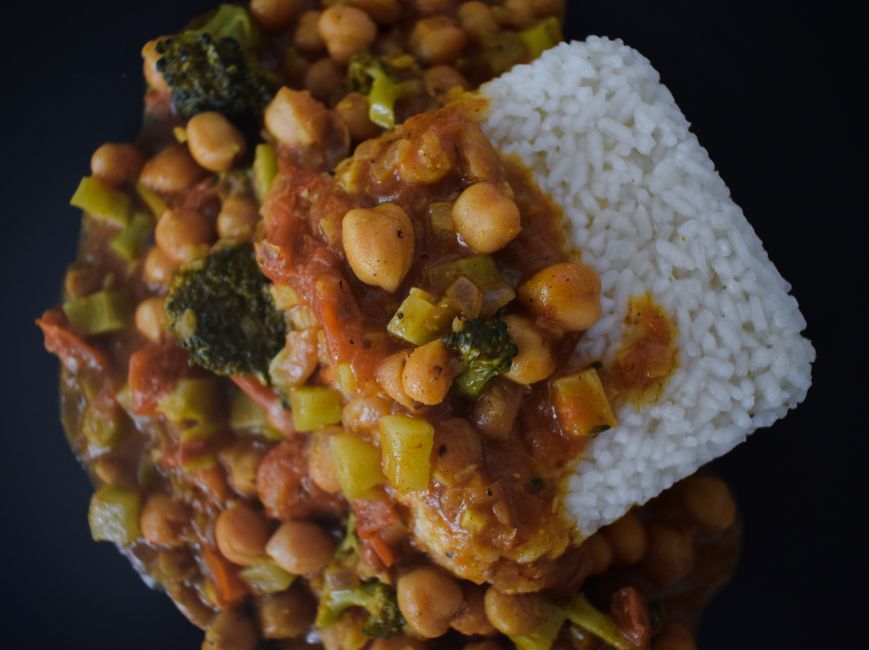
You might be surprised to learn that the most luxurious pasta with chickpeas recipes contain absolutely no heavy cream or butter. The “magic” happens through a few simple culinary techniques that turn humble beans into a silky, high-protein sauce. If you’re interested in more plant-powered protein, explore our High-Protein Vegetarian Recipes.
There are three primary ways to achieve that coveted creamy texture:
- The Mashing Method: While the pasta cooks, take a fork or a potato masher and crush about half of the chickpeas. When these mashed beans mix with the cooking liquid, they dissolve into a thick, hearty base.
- The Immersion Blender Trick: For an even smoother result, take a cup of the chickpeas and a splash of broth (or water), and blend them until completely smooth before adding them back to the pot. This creates a “velvety” coating that clings to every piece of pasta.
- The Risotto Technique: By cooking the pasta directly in the pot with the chickpeas and a limited amount of liquid, you force the pasta to release its starches into the sauce. Constant stirring—just like when making risotto—emulsifies the olive oil, starch, and chickpea sugars into a thick, glossy glaze.
Pro Tip: Always reserve at least one cup of starchy pasta water before draining. This “liquid gold” is the secret to loosening a sauce that has become too thick while maintaining its silky mouthfeel.
Customizing Your Pasta with Chickpeas Recipes
While the classic version is perfection, pasta with chickpeas recipes are incredibly forgiving and open to interpretation. Here are some of our favorite ways to “fancy up” the dish:
- Leafy Greens: Stir in a few handfuls of fresh spinach, kale, or escarole at the very end. The residual heat will wilt the greens in seconds, adding color and nutrients.
- Bright Citrus: A heavy hand of lemon zest and a squeeze of fresh juice can transform the dish from a heavy winter stew into a bright, summery pasta.
- Salty Umami: For non-vegans, adding a Parmesan rind to the simmering broth adds an incredible depth of flavor. If you want a traditional Roman touch, melt a couple of anchovies into the oil along with the garlic.
- Cheese: Pecorino Romano provides a salty, sharp tang that balances the earthy beans, while Parmesan offers a nutty, mellow finish.
- Finishing Oil: A final drizzle of high-quality extra virgin olive oil—perhaps infused with garlic or rosemary—is the mark of a true Italian home cook.
Step-by-Step Guide to Preparing Traditional Pasta e Ceci
Ready to get cooking? This general guide will help you master the “one-pot” method, which is the most traditional way to enjoy this meal. It’s a staple among One-Pot Healthy Meals because it minimizes cleanup and maximizes flavor.
- Sauté the Aromatics: Heat a generous glug of olive oil in a heavy-bottomed pot. Add your diced onion, carrot, and celery. Cook until softened, then add garlic, rosemary, and red pepper flakes.
- Add the “Base”: Stir in a tablespoon of tomato paste and cook for 1-2 minutes until it turns a dark brick red. This removes the metallic taste and intensifies the flavor.
- Simmer the Chickpeas: Add two cans of drained chickpeas (or your cooked dried beans) and enough water or vegetable broth to cover them by about an inch. Let this simmer for 10 minutes to allow the flavors to meld.
- The Pasta Phase: Add your dry pasta directly to the pot. You may need to add a bit more hot water. Stir frequently to prevent sticking.
- Adjust and Finish: Once the pasta is al dente (usually 8-10 minutes), the liquid should have reduced into a thick sauce. If it’s too dry, add a splash of water. If it’s too soupy, mash a few more chickpeas against the side of the pot.
- Season: Taste and add salt and black pepper. Remove the rosemary sprig and serve immediately.
This entire process typically takes about 20 to 30 minutes, making it the ultimate quick weeknight meal.
Dietary Adaptations: Vegan and Gluten-Free Pasta with Chickpeas Recipes
One of the best things about pasta with chickpeas recipes is how easily they accommodate dietary restrictions. Because the creaminess comes from the beans themselves, the dish is naturally vegan if you omit the cheese. For a similar salty kick, many of our readers use nutritional yeast or a vegan Parmesan alternative. This fits perfectly into a lifestyle focused on Healthy Plant-Based Meals.
For those avoiding gluten, you have two excellent options:
- Gluten-Free Grain Pasta: Use your favorite brown rice or corn-based pasta. Just be careful not to overcook it, as gluten-free pasta can become “mushy” more quickly in one-pot recipes.
- Chickpea Pasta (The Noodle): You can actually use pasta made from chickpeas (like Banza) for a double-dose of legume power. These noodles are higher in fiber and protein than traditional wheat pasta.
Important Note: Chickpea-based pasta creates a lot of foam when boiling due to the high protein content of the legumes. If you are cooking this type of pasta separately, be sure to rinse it with warm water after draining to remove the starchy foam before tossing it with your sauce.
Serving, Storage, and Reheating Tips
Pasta e Ceci is a dish that rewards the patient. While it is delicious immediately, the flavors continue to develop as it sits.
- Serving: Always serve in warm bowls. Top with fresh parsley, a crack of black pepper, and an extra drizzle of olive oil.
- Storage: Place leftovers in an airtight container. It will stay fresh in the refrigerator for up to 3 days. This makes it an excellent candidate for Meal Prep Made Easy with Plant-Based Recipes.
- The “Thirst” Factor: Be aware that pasta is “thirsty.” As it sits in the fridge, it will continue to absorb the sauce. When you go to reheat it, the dish may look like a solid block.
- Reheating: To bring it back to life, add a splash of water or broth to the pan before heating it gently on the stovetop. This will loosen the starch and restore that velvety texture.
- Cold Option: If you have leftover sautéed chickpeas and pasta (the drier version), they actually make a fantastic cold pasta salad the next day. Just add a splash of balsamic vinegar and some fresh arugula.
Frequently Asked Questions about Pasta with Chickpeas
How long does it take to cook pasta with chickpeas?
If you are using canned chickpeas, you can have a hot, nutritious dinner on the table in about 20 to 25 minutes. The prep time is minimal (about 5 minutes for chopping), and the cooking time is mostly waiting for the pasta to reach al dente. It is the definition of Quick Nutritious Dinner Recipes.
Can I use frozen spinach in these recipes?
Absolutely! Frozen spinach is a great way to add nutrients to Low-Calorie Vegetarian Meals. We recommend thawing it first and squeezing out the excess water so it doesn’t make your sauce too watery. Stir it in at the very end of the cooking process just to warm it through.
Why does chickpea pasta create foam when boiling?
If you are using pasta made from chickpea flour, the foam is caused by proteins called saponins found in legumes. It’s completely harmless but can cause the pot to boil over. To manage this, use a larger pot than usual and a tiny drop of oil in the water. For the best Quick High-Protein Recipes Ready in Half an Hour, remember to rinse chickpea pasta after draining to ensure a clean flavor.
Conclusion
At Veiculos Express, we believe that great food doesn’t have to be complicated or expensive. Pasta with chickpeas recipes prove that with just a few pantry staples and 20 minutes of your time, you can create a meal that is historically significant, nutritionally dense, and deeply comforting.
Whether you’re a lifelong Vegetarian or just looking to reduce your meat consumption, Pasta e Ceci is a dish that deserves a permanent spot in your kitchen. So grab a can of chickpeas, a handful of ditalini, and start cooking—your future Wednesday-night self will thank you!
