
The Quickest Creamy Weeknight Dinner You’ll Actually Make
Garlic ricotta pasta is a creamy, satisfying Italian-inspired dish that comes together in as little as 20 minutes using just a handful of simple ingredients.
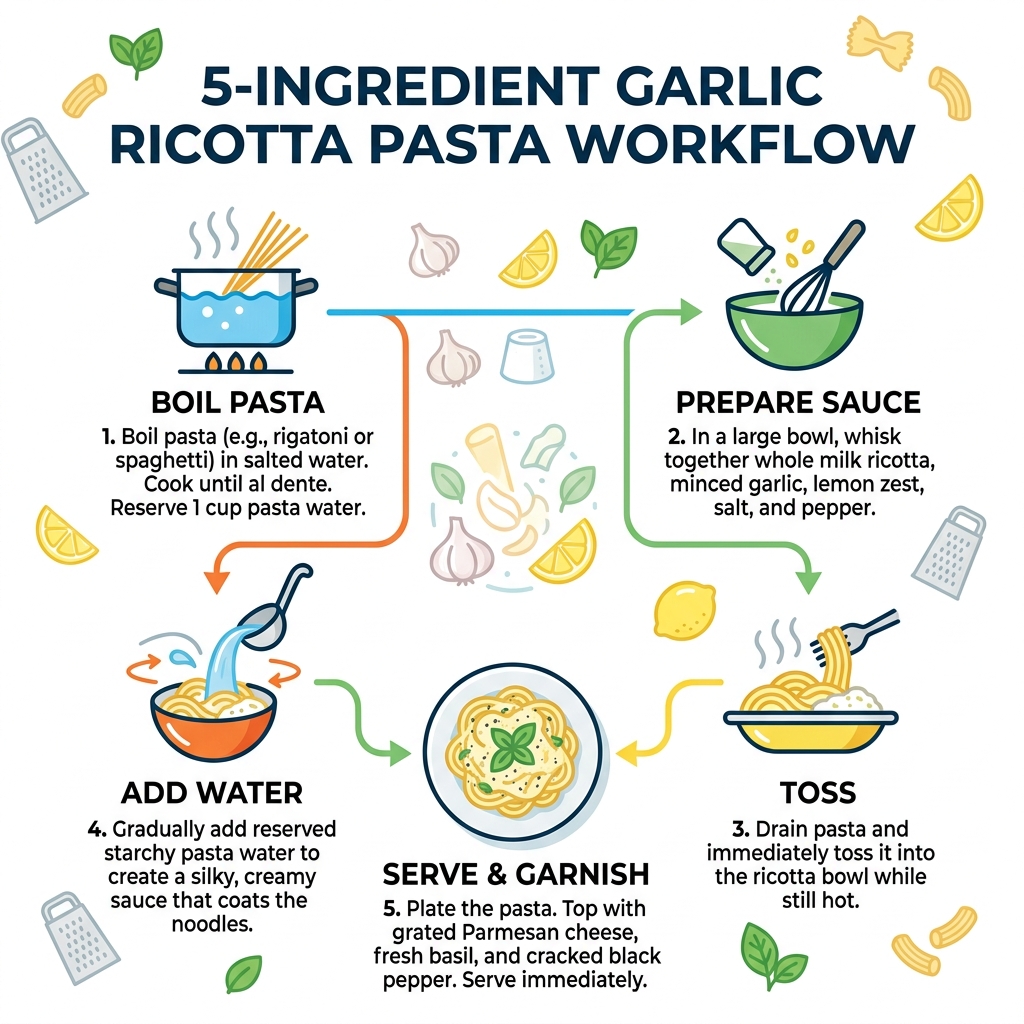
Here’s the quick version:
- Boil pasta until al dente, then reserve a cup of pasta water before draining.
- Mix whole milk ricotta with garlic, lemon zest, salt, and pepper.
- Toss hot pasta into the ricotta mixture.
- Add pasta water a little at a time until the sauce is silky and smooth.
- Top with Parmesan or Pecorino Romano, fresh basil, and a crack of black pepper.
That’s it. Five ingredients. One pan. Under 20 minutes.
It’s the kind of meal that feels indulgent but doesn’t weigh you down. Ricotta has a mild, creamy flavor with a slightly grainy texture — and when it hits hot pasta with a splash of starchy cooking water, it transforms into a sauce that coats every noodle perfectly.
Whether you’re cooking for one on a Tuesday night or feeding a hungry family, this dish delivers big flavor with almost zero effort.
Essential Ingredients for the Ultimate Garlic Ricotta Pasta
To make a truly spectacular garlic ricotta pasta, we need to focus on the quality of the basics. Because this recipe relies on so few components, each one needs to pull its weight.
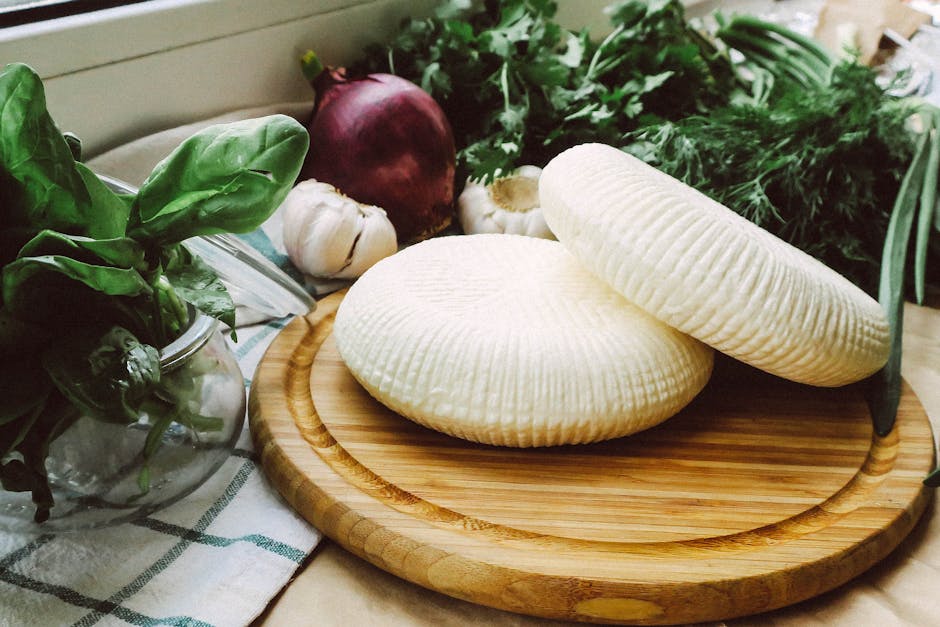
The foundation of the dish is, of course, the ricotta. While it’s tempting to grab whatever is on sale, the type of cheese you choose dictates the final texture of your sauce.
Choosing the Best Ricotta and Pasta Shapes
When we go shopping, we always look for whole milk ricotta. It provides a richness and creamy mouthfeel that part-skim versions simply cannot replicate. Ricotta has a naturally mild, slightly sweet taste and a tiny grain-like texture that makes it a fantastic protein source for vegetarian meals.
| Feature | Whole Milk Ricotta | Part-Skim Ricotta |
|---|---|---|
| Texture | Rich, velvety, and smooth | Slightly more grainy and watery |
| Flavor | Sweet and milky | Mild, occasionally bland |
| Cooking | Emulsifies beautifully into sauces | Can become thin or “weepy” |
| Best For | The ultimate creamy pasta sauce | Spreads or lower-calorie snacks |
As for the pasta, the shape is just as important as the cheese. We want “pool noodles”—as one young pasta fan calls them—or shapes with plenty of surface area to catch that cheesy goodness.
- Rigatoni and Penne: These are top-tier choices. Their hollow centers and external ridges act like tiny pipes, trapping the garlic ricotta pasta sauce inside every bite.
- Fusilli: The spirals are perfect for grabbing onto the thicker parts of the ricotta mix.
- Spaghetti or Bucatini: If you prefer long strands, these work well for a “cacio e pepe” style vibe, though they don’t hold the chunky additions like mushrooms or tomatoes quite as well as short shapes.
If you’re looking for more inspiration, you can find plenty of easy-vegetarian-pasta-recipes to keep your weeknight rotation fresh.
The Role of Fresh Herbs and Aromatics
Garlic is the heart of this dish, but how you treat it changes everything. You can go for a subtle hint by swirling a whole clove in olive oil and removing it, or you can go full “vampire-repellent” by mincing six cloves into the pan.
To balance the heavy creaminess of the cheese and the punch of the garlic, we always include:
- Lemon Zest: This provides a bright, citrusy lift that cuts through the fat of the ricotta.
- Extra Virgin Olive Oil: Use the good stuff here; it’s a primary flavor carrier.
- Red Pepper Flakes: Just a pinch adds a “cheffy” heat without making it spicy.
- Fresh Herbs: Flat-leaf parsley and basil should be added at the very end to keep their vibrant color and peppery aroma.
How to Make Garlic Ricotta Pasta: A Step-by-Step Guide
Making this dish is an exercise in timing. The goal is to have your ricotta mixture ready just as the pasta reaches that perfect al dente state.
- Boil the Water: Use a large pot and salt the water generously. It should taste like seawater. This is your only chance to season the pasta itself.
- Prep the Base: While the pasta cooks, whisk together your ricotta, lemon zest, salt, pepper, and a splash of olive oil in a large serving bowl.
- The Gold Reserve: Before draining the pasta, dip a measuring cup into the pot. Save at least one to two cups of that cloudy, starchy “liquid gold.”
- The Marriage: Toss the hot, steaming noodles directly into the ricotta bowl.
- Emulsify: Add the reserved pasta water a tablespoon at a time, stirring vigorously. The starch in the water works with the fats in the cheese to create a silky, emulsified sauce that clings to the noodles rather than sitting at the bottom of the bowl.
Mastering the Roasted Garlic Technique
If you have an extra 45 minutes, we highly recommend elevating your garlic ricotta pasta by using roasted garlic instead of raw. Roasting transforms garlic from sharp and pungent to mellow, sweet, and buttery.
- The Method: Slice the top off a whole garlic bulb to expose the cloves. Drizzle with olive oil, sprinkle with salt, and wrap tightly in foil.
- The Bake: Roast at 400°F (or 350°F for a slower caramelization) for about 30-40 minutes.
- The Result: The cloves will become so soft you can squeeze them out like toothpaste. Mash them into a paste and whisk them directly into your ricotta. Pro tip: Roast two bulbs—one for the pasta and one for snacking on crusty bread while you cook!
Achieving a Creamy, Clump-Free Garlic Ricotta Pasta Sauce
The biggest mistake beginners make is adding cold ricotta to cold pasta, or heating the ricotta too aggressively until it “breaks” and becomes grainy.
To ensure a smooth consistency:
- Room Temperature: Let your ricotta sit on the counter for 30 minutes before mixing.
- The Whipping Trick: For a restaurant-quality finish, put your ricotta, a splash of heavy cream, and some Parmesan in a food processor. Pulse for 30 seconds until it is “whipped” and super airy.
- Off the Heat: Never boil the ricotta sauce. The residual heat from the pasta and the hot pasta water is enough to melt the cheese into a perfect coating.
Flavor Variations and Elevating the Dish
Once you’ve mastered the basic garlic ricotta pasta, it’s time to play with your food. This recipe is incredibly forgiving and acts as a blank canvas for whatever is in your fridge.
Adding Texture with Walnuts and Mushrooms
If you want something heartier, try these additions:
- Mushrooms: Use a mix of cremini, portobello, or shiitake. To keep it healthy, we love the “stock-sautéing” technique. Instead of using cups of oil, sauté your mushrooms in a splash of vegetable stock, adding more bit by bit as it evaporates. This browns the mushrooms beautifully while keeping the calorie count low.
- Walnuts: Roughly chopped walnuts toasted in a pan with garlic and olive oil add a fantastic crunch. This version is often called the “pale cousin” to pesto—all the nutty, garlicky goodness without the green.
Gourmet Techniques: Oven-Baking and Whipping
For a weekend treat, turn your pasta into a Baked Garlic Mushroom and Ricotta Pasta.
- Mix your cooked pasta and ricotta sauce in an oven-safe skillet.
- Top with a layer of shredded mozzarella and a dusting of garlic powder.
- Bake until the cheese is bubbly and golden.
Alternatively, you can top your dish with Garlic-Parmesan Breadcrumbs. Simply toast panko breadcrumbs in a pan with minced garlic and butter until golden brown, then sprinkle over the finished pasta for a crunch that will make you feel like a professional chef.
Storage, Reheating, and Nutritional Tips
Let’s be honest: creamy pasta is usually best eaten immediately. However, life happens, and sometimes we have leftovers.
Making Garlic Ricotta Pasta Healthier
A standard serving of a baked version of this dish (like a garlic mushroom variant) typically contains around 389 calories, 15g of protein, and 11g of fat. To make it even lighter:
- Use Vegetable Stock: Use stock to sauté aromatics instead of heavy oil.
- Gluten-Free: This sauce pairs perfectly with chickpea or lentil-based pasta, which adds an extra boost of fiber and protein.
- Load the Veggies: Double the amount of spinach or arugula. The heat of the pasta will wilt the greens instantly, adding volume without many calories.
Beginner Tips and Common Pitfalls
- Don’t Overcook the Noodles: Always aim for al dente. The pasta will continue to cook slightly when you toss it with the hot water and sauce.
- The “Dry” Disaster: If your pasta looks clumpy or dry, you didn’t use enough pasta water. Add more! It’s the secret to that silky “gloss” you see in food photography.
- The Garlic Burn: If you are sautéing garlic, never let it turn dark brown or black. It becomes bitter and will ruin the delicate flavor of the ricotta. Aim for fragrant and pale gold.
Frequently Asked Questions about Garlic Ricotta Pasta
Can I use low-fat ricotta for this recipe?
You can, but we don’t recommend it for the sauce base. Low-fat or part-skim ricotta tends to be more watery and grainy. If you are watching your calories, it’s better to use a smaller portion of whole milk ricotta and bulk out the meal with roasted vegetables or a side salad.
Why is my ricotta sauce separating or becoming clumpy?
This usually happens if the heat is too high or if the ricotta was added straight from the fridge to a screaming-hot pan. To fix this, always mix the sauce in a separate bowl and toss the pasta into it off the heat, using hot pasta water to bridge the gap.
What are the best side dishes to serve with this pasta?
Since the pasta is rich and creamy, we love pairing it with something bright or crunchy:
- Arugula Salad: A simple toss of arugula, lemon juice, and shaved Parmesan.
- Roasted Vegetables: Zucchini, bell peppers, or asparagus.
- Protein: A crispy pan-seared chicken breast or some grilled shrimp.
- Bread: You can never go wrong with a crusty baguette to swipe up the leftover sauce.
Conclusion
At the end of a long day, garlic ricotta pasta is the culinary hug we all need. It proves that you don’t need a long list of ingredients or hours in the kitchen to create something that tastes “real” and “cheffy.” From the mellow sweetness of roasted garlic to the bright zing of lemon zest, every bite is a reminder of why simple Italian cooking remains a global favorite.
We hope this guide helps you master your next weeknight dinner. If you enjoyed this recipe, explore more delicious options in our vegetarian category to keep your kitchen inspired!
