
The Weeknight Pasta Fix You’ve Been Looking For
Cheese tortellini in tomato sauce is one of the fastest, most satisfying vegetarian dinners you can make — ready in as little as 15 minutes with just a handful of simple ingredients.
Here’s a quick snapshot of what this dish delivers:
- Time: 15–30 minutes start to finish
- Effort: Minimal — one pan, basic pantry staples
- Tortellini type: Fresh refrigerated works best; frozen is a close second
- Sauce options: Classic tomato, creamy tomato, roasted cherry tomato, or spicy
- Calories: Roughly 248–685 kcal per serving depending on the sauce style
- Storage: Keeps in the fridge for 3–5 days in an airtight container
This dish is beloved for good reason. Pillowy cheese-filled pasta and a bold, tangy tomato sauce are just made for each other. The cheese filling softens the acidity of the tomatoes. The sauce clings to every curve of the pasta. It’s comfort food that doesn’t ask much of you.
Whether you roast cherry tomatoes for a fresh, summery feel, or simmer a creamy tomato sauce in a single skillet, the result is always deeply satisfying — and surprisingly easy.

Understanding the Basics of Cheese Tortellini
Before we dive into the simmering pots and fragrant garlic, let’s talk about the star of the show. Tortellini are often described as “mini ravioli,” but they have a distinct personality. These ring-shaped pasta dumplings are traditionally folded to resemble a navel, creating little pockets that are perfect for trapping sauce.
In most grocery stores, you’ll find them stuffed with a mild, creamy ricotta filling, often blended with parmesan or pecorino. If you want to dive deeper into why this cheese combo is so magical, check out our guide on garlic ricotta pasta to see how these flavors play together.
The secret to a great cheese tortellini in tomato sauce is treating the pasta with respect. Unlike spaghetti, which can be a bit more forgiving, tortellini can become mushy if over-boiled. We always recommend salting your pasta water generously—it should taste like the sea. This is your only chance to season the pasta dough itself!
Choosing the Best Cheese Tortellini in Tomato Sauce
When you’re standing in the pasta aisle, you usually have three choices: fresh (refrigerated), frozen, or dried.
- Fresh Refrigerated Tortellini: This is our top pick. Found in the deli or cheese section, it has a tender texture and cooks in a lightning-fast 2 to 5 minutes. Because it’s supple, it integrates beautifully with homemade sauces.
- Frozen Tortellini: A fantastic pantry staple. It retains its shape well and usually only takes 3 to 5 minutes to cook. You can even drop these straight into a simmering sauce without thawing them first!
- Dried Tortellini: While convenient, these take much longer to cook (often 10–12 minutes) and can sometimes have a tougher, more “processed” feel compared to their fresh counterparts.
For the most “restaurant-quality” experience at home, stick with the refrigerated variety. It provides that pillowy, al dente bite that makes cheese tortellini in tomato sauce feel like a gourmet treat rather than a last-minute scramble.
Essential Ingredients and Flavor Profiles
To elevate a simple bag of pasta into a “saucy affair,” we need to talk about the sauce. While you can certainly use a jarred marinara, making a quick sauce from scratch is surprisingly easy.
We recommend starting with high-quality tomatoes. San Marzano tomatoes are the gold standard here; they are grown in volcanic soil, which gives them a sweeter, less acidic flavor and a thicker flesh. If you’re feeling fancy, you can learn more about making the perfect basil tomato sauce to really nail the basics.
Other essential aromatics include:
- Garlic: Freshly minced is non-negotiable. It provides that sharp, savory backbone.
- Fresh Basil: Add this at the very end to keep the oils bright and fragrant.
- Heavy Cream: If you want a “pink” or vodka-style sauce, a splash of heavy cream balances the tomato’s acidity perfectly.
- Red Pepper Flakes: Just a pinch adds a “tingle” to the tongue without making the dish overwhelmingly spicy.
- Parmesan Rind: Don’t throw these away! Dropping a rind into your simmering sauce adds a nutty, umami depth that makes it taste like it’s been cooking for hours.
[TABLE] Sauce Variations for Tortellini
| Sauce Type | Key Ingredients | Vibe | Best For |
|---|---|---|---|
| Roasted Cherry Tomato | Halved cherry tomatoes, garlic, olive oil | Fresh, light, summery | Warm weeknights |
| Creamy Tomato | Tomato paste, heavy cream, broth | Rich, silky, indulgent | Picky eaters & kids |
| Spicy Mushroom | Diced tomatoes, mushrooms, chili flakes | Earthy, bold, textured | Meal prep / Hearty meal |
| One-Pan Marinara | Crushed tomatoes, onion, parmesan rind | Classic, deep, savory | Sunday-style supper |
Mastering Cheese Tortellini in Tomato Sauce: A Step-by-Step Guide
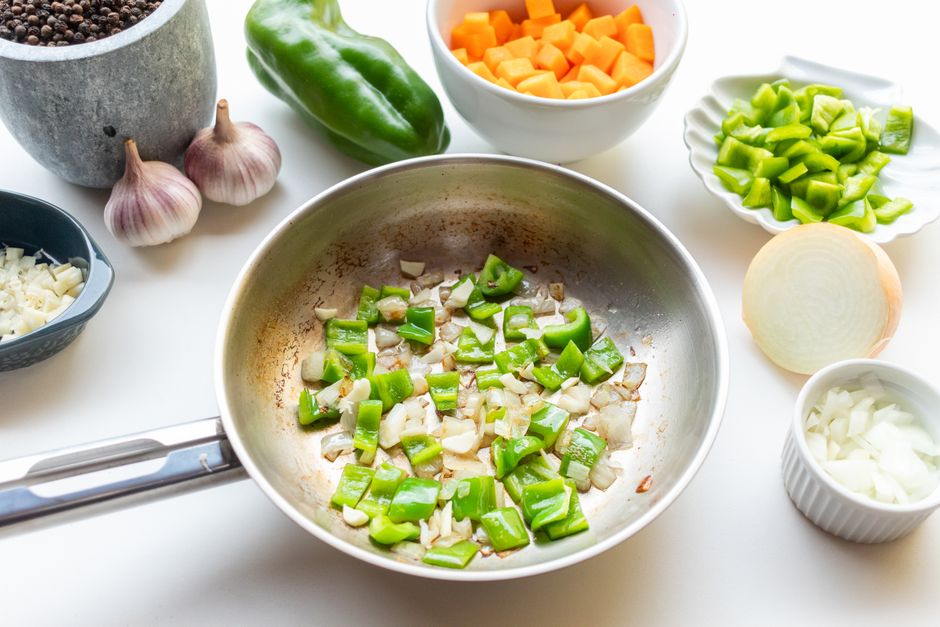
Whether you are a seasoned pro or a kitchen novice, the goal is efficiency. One of our favorite methods is the one-pot method. Instead of boiling water in one pot and simmering sauce in another, you cook the tortellini directly in the sauce. This not only saves on cleanup but allows the pasta to absorb the flavors of the tomatoes and herbs.
Step 1: Sauté the Aromatics Start by melting butter or heating olive oil in a large skillet. Add diced onions and sauté until soft (about 3-4 minutes). Add minced garlic and red pepper flakes, cooking for just 30-60 seconds until you can smell that heavenly aroma. Don’t let the garlic brown, or it will turn bitter!
Step 2: Build the Base Stir in your tomato component—whether that’s tomato paste, crushed tomatoes, or halved cherry tomatoes. If you’re using fresh cherry tomatoes, cook them until they “burst” and create their own jammy sauce. For a more traditional sauce, add a splash of vegetable broth or water to provide enough liquid for the pasta to cook in. Check our pesto pasta ingredient checklist if you want to see how other herbs can play a role in your pantry prep.
Step 3: Simmer and Cook Add your cheese tortellini in tomato sauce base. If using the one-pan method, cover the skillet with a tight-fitting lid. This traps the steam and ensures the pasta cooks evenly. Fresh tortellini usually needs about 5 minutes of simmering.
Step 4: The Finishing Touches Once the pasta is tender, stir in heavy cream (if using) and a generous handful of grated Parmesan. Finish with fresh basil ribbons.
Perfecting the Texture of Cheese Tortellini in Tomato Sauce
The biggest mistake people make is overcooking. Tortellini should have a slight “bite” to them—what Italians call al dente.
- Testing Tenderness: Start testing your pasta 1-2 minutes before the package directions suggest. Use a fork to see if it’s supple but still holds its shape.
- Starch Release: When you cook tortellini directly in the sauce, the starch from the pasta naturally thickens the liquid. This creates a luxurious, velvety coating that sticks to the pasta rather than pooling at the bottom of the bowl.
- Adhesion: If the sauce is too thick, don’t panic! Simply add a tablespoon or two of pasta water or broth to loosen it up.
- Preventing Curdling: If you are adding cream to a tomato-based sauce, make sure the heat is on medium-low. High heat combined with the acidity of the tomatoes can cause lower-fat milks to curdle. This is why heavy cream is usually preferred—its high fat content makes it stable.
Dietary Adaptations and Serving Suggestions
One of the best things about cheese tortellini in tomato sauce is how inclusive it can be. If you’re looking for more inspiration, we have a whole collection of easy vegetarian pasta recipes to browse.
- Gluten-Free: Many brands now offer gluten-free cheese tortellini made from rice or corn flour. They cook very similarly to wheat-based pasta, though they can be slightly more delicate, so handle them gently when tossing with sauce.
- Vegan Options: While traditional tortellini is stuffed with cheese, vegan versions using almond-based ricotta or cashew “cheese” are becoming widely available. Pair these with a simple tomato and olive oil sauce to keep the dish entirely plant-based.
- Low-Calorie Tweaks: Instead of heavy cream, use a splash of starchy pasta water and a bit of nutritional yeast to get a creamy texture without the extra fat. You can also find more tips in our guide to healthy and nutritious vegetarian recipes.
Customizing Your Cheese Tortellini in Tomato Sauce
Make this dish your own by raiding the crisper drawer:
- Add Greens: Stir in two big handfuls of fresh baby spinach during the last minute of cooking. It wilts instantly and adds a boost of iron and color.
- Earthy Notes: Sauté sliced cremini or button mushrooms with the onions for a meatier texture.
- Kid-Friendly: If your little ones are picky about “chunks,” use a blender to smooth out the tomato sauce before adding the tortellini.
- Protein Boost: While cheese tortellini is already filling, you can add cooked chicken, shrimp, or even browned ground beef to turn it into a high-protein feast.
Frequently Asked Questions about Tortellini
How do I store and reheat leftovers?
Leftovers are often even better the next day because the flavors have had more time to meld!
- Storage: Place leftovers in an airtight container and refrigerate for 3 to 4 days.
- Reheating: The pasta will likely soak up much of the sauce while sitting in the fridge. When reheating in the microwave or on the stove, add 1-2 tablespoons of water or broth to “loosen” the sauce back to its original silky consistency.
- Freezing: While you can freeze the finished dish, cream-based sauces can sometimes separate upon thawing. It is usually better to freeze the sauce and the dry pasta separately.
Can I cook tortellini directly in the sauce?
Yes! As mentioned in our “one-pot” section, this is a total game-changer. It saves time and enhances the flavor. Just ensure you have enough liquid (tomato juice, broth, or water) in the pan so the pasta has something to absorb. The ratio is generally about 1/2 cup of extra liquid for every 9 ounces of refrigerated tortellini.
What is the nutritional profile of this dish?
A standard serving of cheese tortellini in tomato sauce is quite balanced.
- Calories: Ranges from 250 (for a light tomato sauce) to 680 (for a heavy cream and cheese version).
- Protein: Thanks to the cheese filling, you’ll get about 10–20 grams of protein per serving.
- Sodium: Be mindful of the salt in canned tomatoes and the pasta itself; using “low-sodium” broth can help keep these numbers in check.
Conclusion
At Veiculos Express, we believe that a great meal doesn’t have to take all evening to prepare. This cheese tortellini in tomato sauce is the ultimate testament to that philosophy—it’s fast, flavorful, and infinitely customizable. Whether you’re cooking for a hungry family or prepping lunches for the week, this dish is a reliable winner that brings a little bit of Italian comfort to your table.
Ready for more? Explore more vegetarian delights on our site and find your next favorite weeknight meal!
